

 Hebrew
A fleet ready to work
Every crane is inspected, serviced and refurbished at our logistics yard in Lod before it goes to a new site, with a mechanical and electrical check before every erection.
Tower Crane Rental
A fleet of 190 Potain (Manitowoc) MD and MDT tower cranes, rented across the country. Placement planning, transport, erection, inspections and service throughout the rental period.
Every crane is inspected, serviced and refurbished at our logistics yard in Lod before it goes to a new site, with a mechanical and electrical check before every erection.
A modern, comfortable, air-conditioned operator cab with a wide field of view.
Placement planning and model selection suited to the building method, from the permit stage and before work starts.
60 professionals, a spare-parts stock at our Lod yard and a response to faults throughout the rental period.
We review the site plan, the method and the weights, and a recommended model comes out of it. No cost and no obligation.
A quote that clearly defines what is included and who is responsible for what.
A certified erection crew sets up the crane according to the placement plan.
A certified inspector inspects the crane before work begins, and you receive the approval for the site file.
Ongoing support, raisings and ties at the pace of construction, and dismantling at the end.
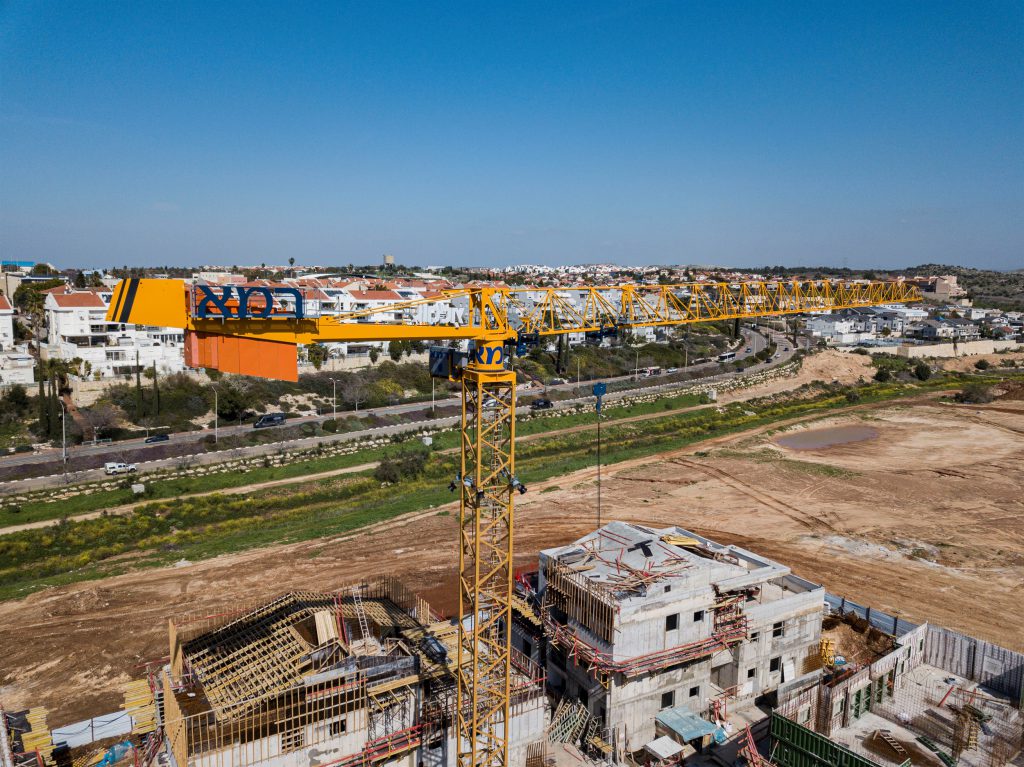
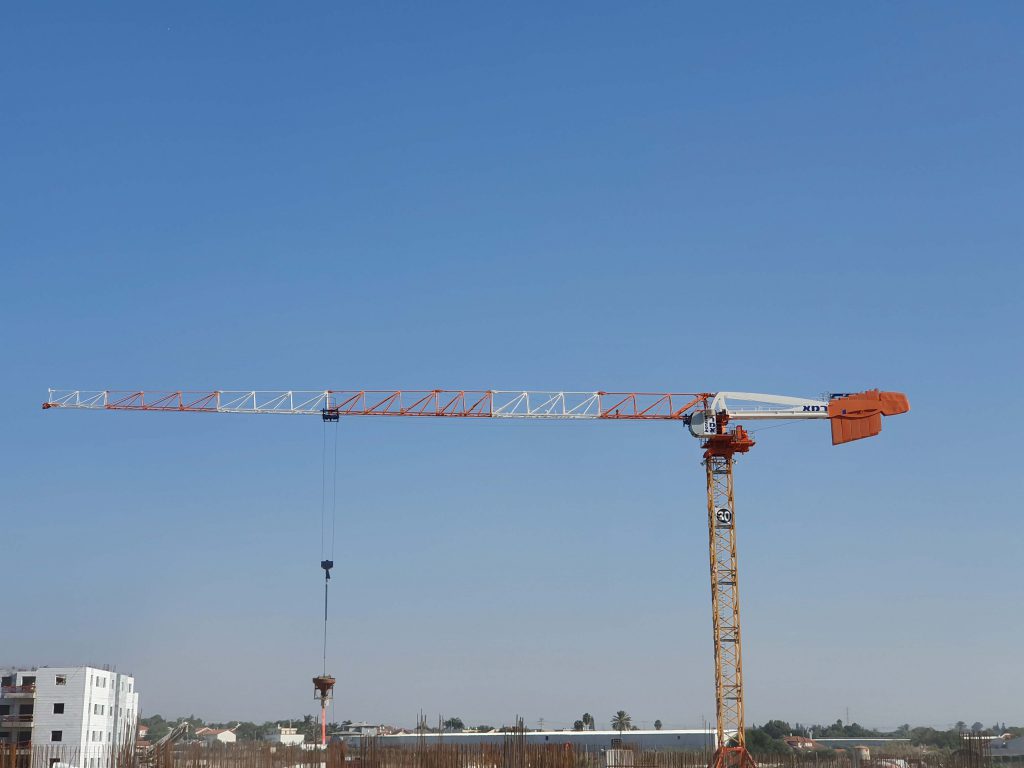
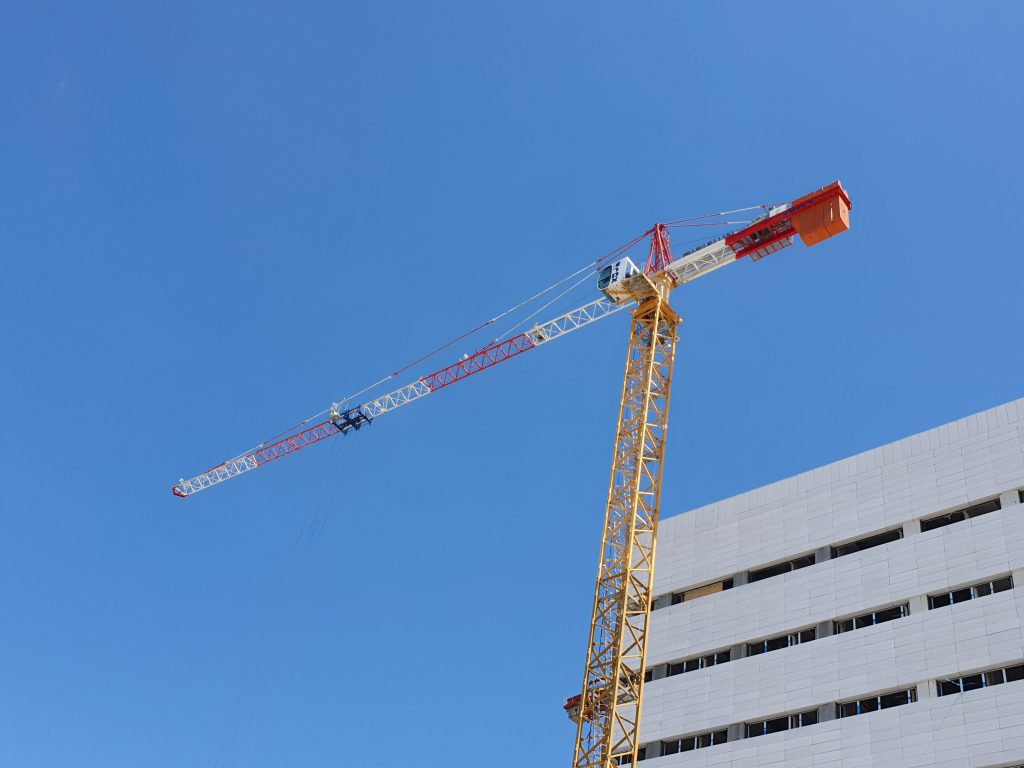
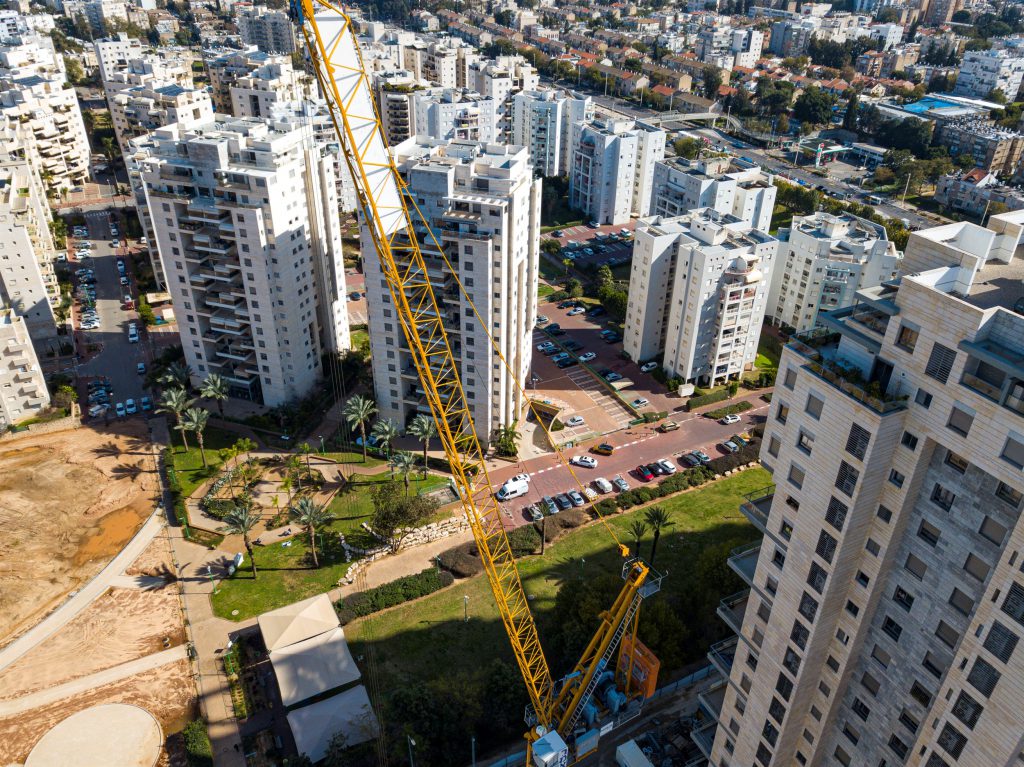
The rule: a crane is chosen by the heaviest load at the furthest radius at which it must be lifted and by the final height of the building, not by the maximum lifting capacity next to the mast. The table is a starting point for discussion; the final placement plan is set together with us, at the planning stage.
RMA's rental catalogue has 21 Potain models, from the MDT128 (6 t) to the MDT368 (16 t), each with a data sheet
The rental package includes placement planning and a model recommendation, transport to the site, erection by a certified crew, an inspection by a certified inspector before work begins, fault and maintenance service throughout the rental period, climbing and tie-ins according to the pace of construction, and dismantling at the end. The exact scope, including who orders and pays for the certified inspector's inspections, is set in the quote and the rental agreement. Before every erection the crane's mechanical and electrical systems are inspected and serviced, and it arrives with an air-conditioned panoramic cab. The foundation, the electrical connection and permits are the contractor's responsibility, unless agreed otherwise.
It is worth contacting us already at the building-permit stage. In most projects the crane is erected within one to three months of receiving the permit, and in projects with an underground car park already during excavation and shoring, so that it can be used for casting the basement floors. The actual delivery date is set by the model, availability in the fleet of 190 tower cranes and the readiness of the foundation on site, and is fixed in the quote.
Not by the maximum lifting capacity next to the mast, but by the heaviest load at the furthest radius at which it must be lifted: a concrete bucket in conventional construction, a wall or slab in precast construction, a formwork in the collapsible safe-room method. The height is set by the final roof height, the clearance needed above the building and neighbouring cranes. We calculate this from the site plan and return a placement plan with a recommended model.
Erection, climbing and tie-ins are carried out by RMA's certified erection crews, holding mast-climbing and work-at-height approvals, under the direct supervision of a team leader, in accordance with the Safety at Work (Tower Cranes) Regulations, 1966. After erection the crane is inspected by a certified inspector before work begins, and again after a raising when the regulations require it. You receive the inspector's approval for the site file, together with the manufacturer's data sheet for the model.
Call 08-9202882 or write on WhatsApp. 60 professionals (engineers, mechanics, electricians, technicians and consultants) look after about 500 cranes across the country, and a spare-parts stock is held at our logistics yard in Lod, so common parts do not wait for an order from abroad. RMA also repairs and refurbishes motors, gearboxes and whole winches itself. The committed response time for a fault is defined in the rental agreement.
When the crane's working radius overlaps another crane, on the site or on a neighbouring site, or when the jib passes over a road, a public building or a power line, guidance no. 567226 of the Occupational Safety and Health Administration at the Ministry of Labor applies, alongside the Safety at Work (Tower Cranes) Regulations, 1966. The accepted answer is a computerised collision-prevention and zone-limiting system. RMA installs advanced anti-collision systems that have been tested and approved by the Standards Institution of Israel and the Ministry of Communications, and carries out a needs assessment and initial planning for your site at no cost and with no obligation (a full placement plan, calculations and coordination with the structural engineer are priced separately). The suitable measure is set in the placement plan and is the responsibility of the party carrying out the construction. The information on this page is general and is not legal, engineering or safety advice; the binding requirements are set by law, by the placement plan and by the certified inspector's approval.
A foundation according to the placement plan: a foundation section (the mast rising from it takes up only 1.6-2 m, and it is often designed together with the raft), or a static chassis of 5.5x5.5 m up to 10x10 m for tall cranes, when there is enough area. In addition: an electrical connection at the power given in the plan, an access road for a mobile crane and trucks, a free staging area and closing off the area to other workers on erection day. A detailed list is provided with the quote.
Needs assessment and initial planning at no cost and no obligation.
This site uses essential cookies and Google Analytics cookies for aggregate usage measurement. You can decline measurement cookies and the site will keep working normally. Privacy Policy


